
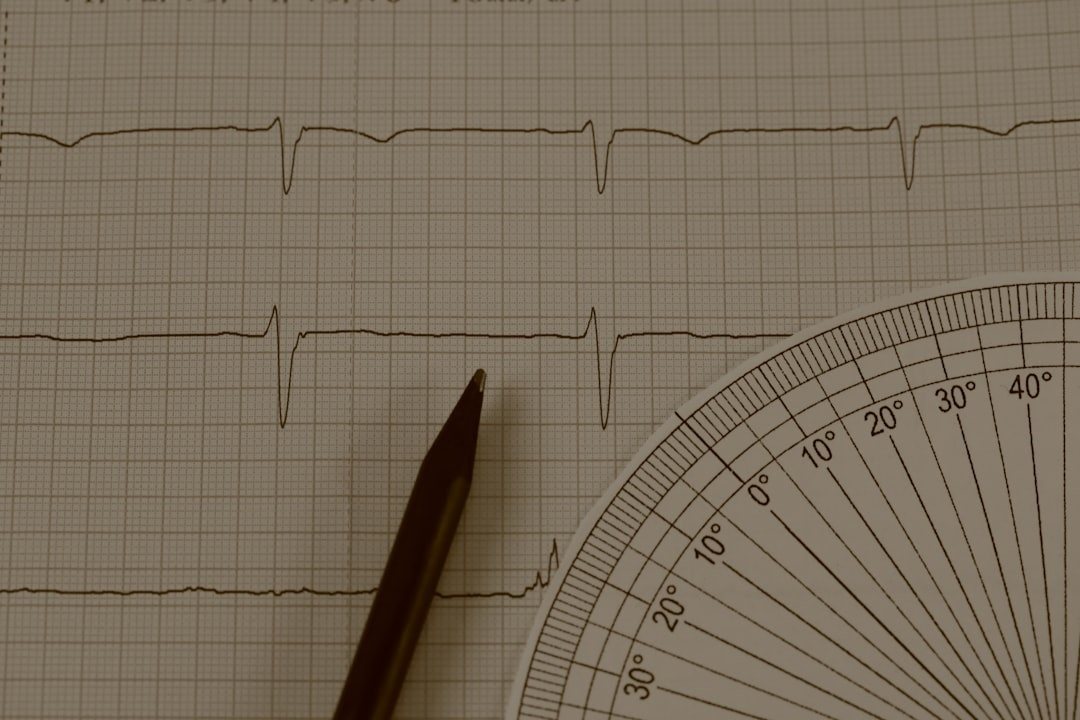
Guide to mastering literature reviews, data handling, and chart creation for impactful medical research papers.
Medical & Health Sciences Papers: How to Handle Data, Charts, and the Literature Review
Writing a paper in the medical and health sciences is a high-stakes endeavor. Unlike other academic disciplines, the information presented can have direct implications for clinical practice, patient outcomes, and public health. This field demands the utmost precision, objectivity, and adherence to rigorous scientific standards. For students, mastering the unique conventions of medical writing is essential for academic success and for becoming a credible voice in the scientific community.
Three of the most challenging, yet critical, components of any health sciences paper are the literature review, the handling and presentation of data, and the creation of clear, informative charts and tables. Getting these right is the difference between a paper that is simply descriptive and one that is truly impactful.
This guide will provide a clear roadmap for navigating these three pillars of medical writing, helping you to present your research with the authority and clarity it deserves.
1. Mastering the Literature Review: Building on the Shoulders of Giants
In medical sciences, a literature review is far more than a simple summary of previous studies. It is a critical synthesis of existing evidence that establishes the scientific context for your research, justifies its necessity, and identifies the specific "gap" in knowledge that your study aims to fill.
A. Finding High-Quality Evidence:
The credibility of your paper rests on the quality of your sources. In health sciences, there is a clear hierarchy of evidence. Your review should prioritize the highest levels of evidence available.
- Top Tier: Systematic Reviews and Meta-Analyses. These are comprehensive reviews that collect and synthesize all relevant studies on a particular topic. The Cochrane Library is a primary resource for these.
- High Tier: Randomized Controlled Trials (RCTs). These are considered the gold standard for determining the effectiveness of an intervention.
- Mid Tier: Cohort Studies and Case-Control Studies. These are observational studies that are crucial for understanding etiology and prognosis.
- Key Databases: Your research should be centered on major medical databases like PubMed/MEDLINE, Embase, and Scopus.
B. Structuring for Impact:
Do not structure your review by simply discussing one paper after another. This is a common mistake that leads to a disjointed and descriptive text. Instead, organize your review thematically.
- Organize by Theme or Concept: Group studies together based on common findings, methodologies, or clinical debates. For example, a section might be "Current Pharmacological Interventions," followed by "Emerging Non-Pharmacological Approaches."
- Critically Appraise, Don't Just Report: For each study you discuss, go beyond what the authors concluded. Briefly touch upon its strengths and weaknesses. Was the sample size adequate? Were the methods appropriate? Acknowledging the limitations of previous research strengthens the rationale for your own study.
- The "Gap" is Your Goal: The conclusion of your literature review should lead the reader logically to the purpose of your paper. It should be clear that your research is the necessary next step in the field.
2. Handling Data: The Pursuit of Precision and Objectivity
The "Results" section of a medical paper is a sanctuary of objectivity. It is where you present your findings clearly and concisely, without any interpretation or discussion.
A. The Principle of Objective Reporting:
Your sole job in the results section is to state what you found. Save the explanation of what it means for the "Discussion" section.
- Use Clear and Unambiguous Language: State findings directly. For example: "The mean systolic blood pressure in the intervention group decreased by 15 mmHg (±2.1), a statistically significant reduction compared to the control group (p < 0.01)."
- Report Key Statistical Values: Don't just say a result was "significant." Provide the essential statistical data, such as p-values, confidence intervals (CIs), and effect sizes (e.g., odds ratios, relative risks). This allows the reader to judge the magnitude and certainty of your findings.
- Maintain Consistency: The data you describe in the text must perfectly match the data presented in your tables and figures. Double-check every number.
B. Ethical Considerations:
In medical research, data is not just numbers; it often represents people. Always ensure your data handling complies with ethical standards, including patient confidentiality (anonymizing data) and acknowledging informed consent in your methods section.
3. Creating Clear and Impactful Charts and Tables
Visuals are not decorative; they are a powerful tool for communicating complex data efficiently. A well-designed chart can convey a trend or comparison far more effectively than a dense paragraph of text.
A. Choosing the Right Tool for the Job:
- Tables: Use tables to present large amounts of precise numerical data. They are ideal for showing demographic information (a "Table 1" is standard in many clinical papers) or for comparing multiple variables across different groups.
- Bar Charts: Use bar charts to compare discrete categories. For example, comparing the prevalence of a condition across different age groups.
- Line Graphs: Use line graphs to show a trend over time or across a continuous variable (e.g., tracking a patient's response to a drug over several weeks).
- Scatter Plots: Use scatter plots to visualize the relationship and correlation between two continuous variables (e.g., plotting weight against blood pressure).
B. The Anatomy of a Perfect Visual:
Every chart and table you create must be a standalone piece of information. A reader should be able to understand it without having to hunt through the text for an explanation.
- A Specific, Descriptive Title: The title should clearly state what the visual is showing. "Figure 1. Mean Systolic Blood Pressure in Intervention and Control Groups Over 12 Weeks."
- Clear Labels: On graphs, both the x-axis and y-axis must be clearly labeled with the variable and the units of measurement (e.g., "Time (Weeks)," "Blood Pressure (mmHg)").
- A Legend: If you are plotting multiple data sets on one graph (e.g., a line for the control group and a line for the intervention group), you must include a clear legend.
- Numbered and Referenced: Every visual must be numbered sequentially (Figure 1, Figure 2, Table 1, etc.) and must be explicitly referred to in the text. For example: "The intervention group showed a consistent decline in blood pressure over the study period (Figure 1)."
When You Need Expert Scientific and Academic Support
Writing a high-level medical or health sciences paper is a formidable task. The standards are exacting, and the complexity of the subject matter can be overwhelming. For students who need to ensure their work is of the highest caliber, seeking professional support is a logical and strategic step.
For many years, EverEssay has been a professional and trusted academic partner for students in the most demanding scientific fields. We are a dedicated website with a long-standing reputation for excellence, specializing in crafting high-quality, scientifically sound, and meticulously researched academic papers.
We understand the unique demands of medical and health sciences writing.
* Expert Writers in the Field: Our team includes writers with advanced degrees in medicine, nursing, public health, and other health sciences. They are not just writers; they are subject matter experts who understand the science and the conventions of academic medical writing.
* Commitment to Academic Integrity: We have a zero-tolerance policy for plagiarism. To provide you with complete peace of mind, every paper we deliver comes with a free Turnitin report and a free AI detection report, guaranteeing that your work is 100% original.
* Strict Confidentiality: We understand the importance of discretion. All client information and orders are handled with the highest level of security and confidentiality.
* A Record of Excellence: We pride ourselves on the outstanding results we help students achieve. Our goal is to provide work that not only earns a top grade but also serves as a valuable learning tool.
When you are faced with a complex medical paper and need to ensure your work is flawless, our experts are here to help.
* Explore our specialized Medicine and Health Sciences Writing Services to learn more.
* To see the high standard of our scientific writing, we invite you to review our Essay Samples.
* When you are ready for professional, reliable support, you can securely Place an Order on our website.
By mastering these core components of scientific writing, you can present your research with confidence and make a meaningful contribution to the field. And for the times you need expert support, EverEssay is your trusted partner in academic success.